Meta's AI Gamble: Why Frances Haugen's Warning Signals a Broader Reckoning
Whistleblower Frances Haugen exposes Meta's aggressive AI push and the pitfalls of a mere pause, urging a deeper reckoning in tech governance.
Tim Editorial King Santosa•3 menit baca
Ilustrasi berita · Fortune
The Whistleblower's Voice
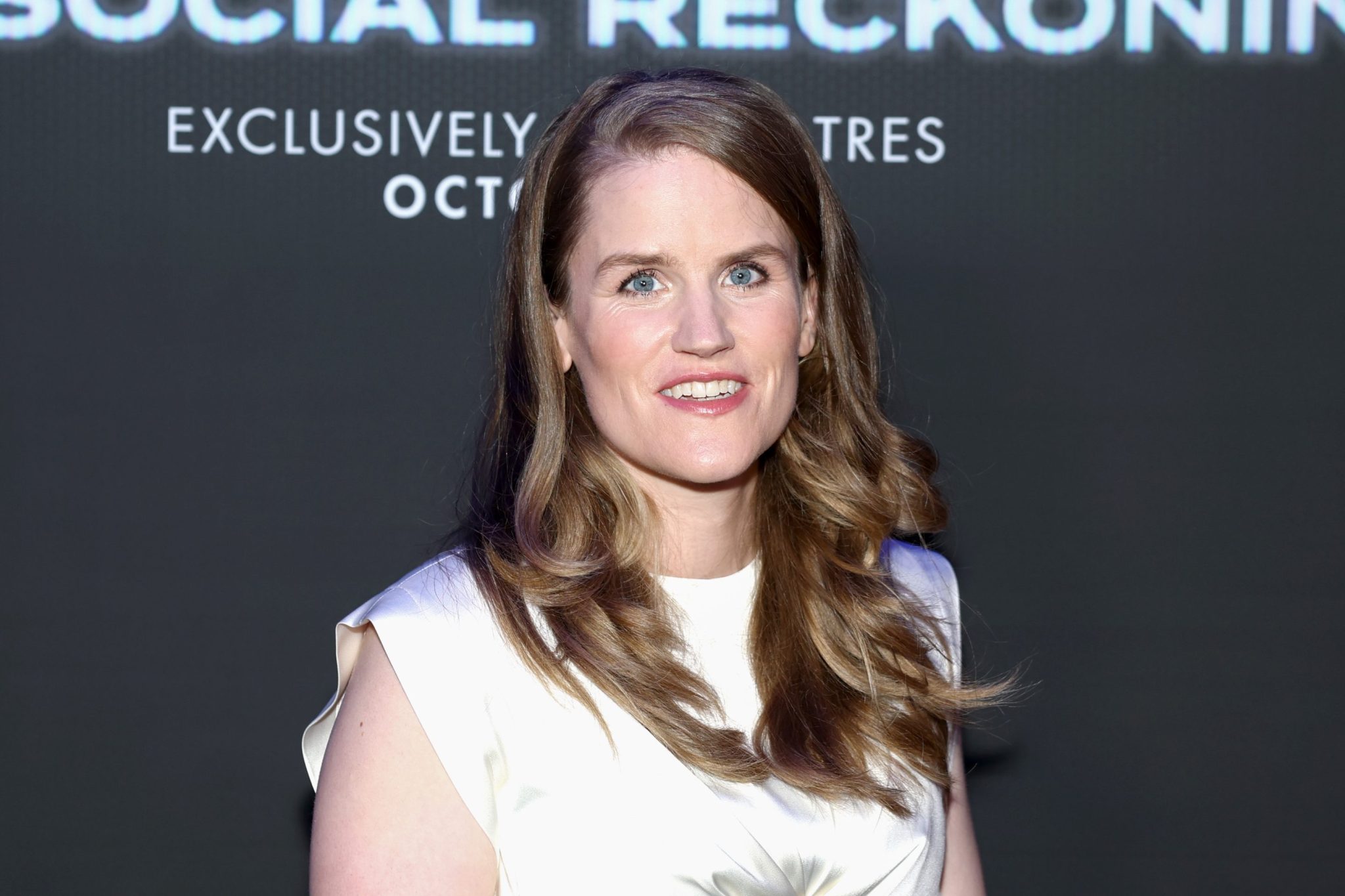
Frances Haugen, known for her revelations about Facebook's internal practices, has once again stepped into the spotlight. Her latest commentary focuses on Meta's rapid expansion into artificial intelligence, arguing that the company’s approach is reckless and could have far‑reaching consequences for users and society.
By drawing on her experience within the organization, Haugen highlights how decisions are often driven by growth targets rather than safety considerations. She stresses that the speed of deployment can outpace the ability of regulators and the public to understand the risks involved.
## A Film That Sparks Debate
A recent documentary directed by Aaron Sorkin brings these concerns to a wider audience. By weaving personal testimony with investigative journalism, the film highlights the tension between innovation and responsibility.
The film also frames Meta’s AI ambitions as part of a larger narrative about corporate power in the digital age, inviting viewers to question how much influence a single company can wield over the tools that shape public discourse.
## Meta's AI Spending Surge
Meta has reportedly increased its investment in AI technologies, positioning itself as a leader in the field. While the exact scale of the spending is not disclosed, the trend signals a strategic shift toward integrating AI across its platforms.
This move raises questions about data usage, algorithmic transparency, and the potential for unintended bias, as the company’s vast data reserves give it a unique advantage and a responsibility to manage that power responsibly.
## The Inefficacy of a Pause
Haugen cautions that a temporary halt in AI development will not address the underlying issues. A pause might provide a brief respite, but it risks allowing competitors to advance unchecked.
Moreover, without structural reforms, the same patterns of oversight and risk management could re‑emerge once development resumes, making a pause a superficial gesture rather than a genuine step toward safety.
## Broader Implications for Tech Accountability
The situation underscores the need for clearer regulatory frameworks. As AI systems become more embedded in everyday life, the stakes for privacy, fairness, and security rise.
The whistleblower’s warnings serve as a reminder that corporate ambition must be balanced with ethical safeguards, and that public trust is fragile, requiring transparent communication and inclusive dialogue.
## Path Forward Without Guarantees
Moving forward, stakeholders—including policymakers, industry leaders, and civil society—must collaborate to establish standards that promote responsible AI.
While no single solution can guarantee safety, a combination of transparency, accountability, and public engagement can help mitigate risks. The conversation sparked by Haugen’s testimony and the documentary is a crucial step toward that goal.